Salgale church / Salgales baznīca
 Sanita Bitko
|
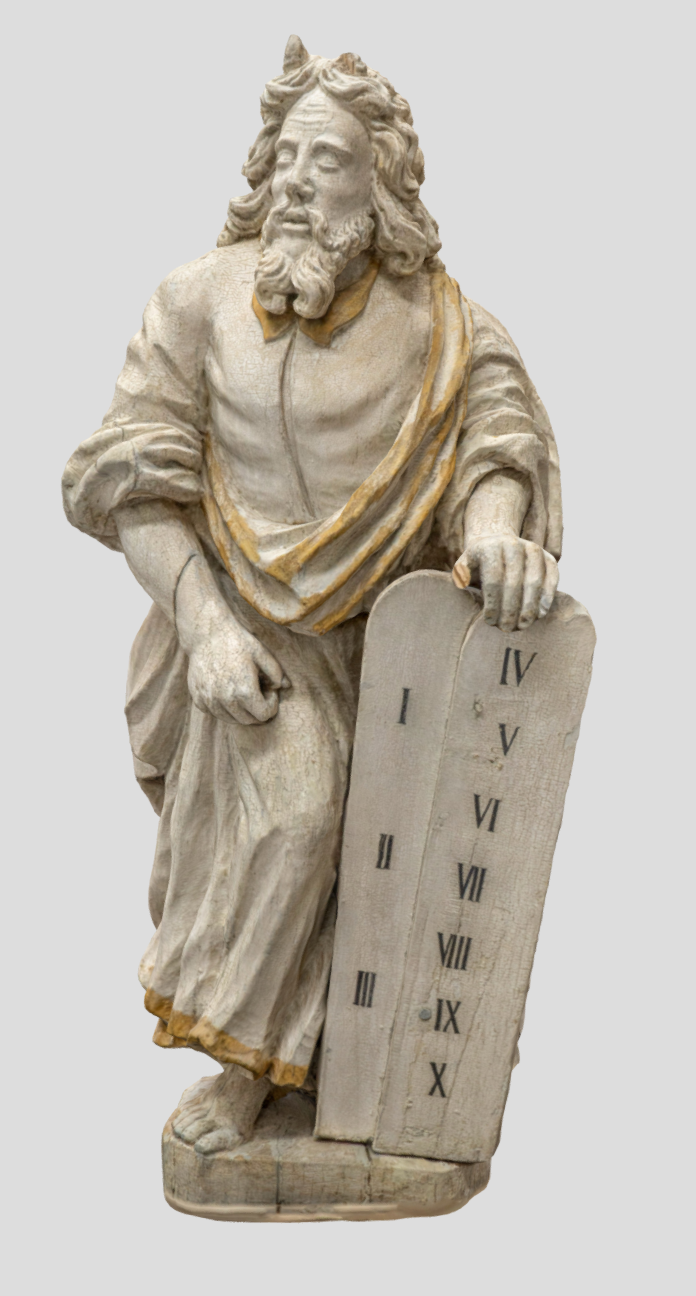
The history of the sculptures of Salgale Church is connected with repeated changes of location, beginning already with their creation. By order of Duke Ferdinand, the construction of the stone church in Salgale was begun in 1706[1]. Five years later, in 1711, the church building was completed, but still without an interior. The church contained an old pulpit, and a simple table served as the altar. From the 1911 report of Pastor H. Grüner, it is possible to learn that in 1722 the sculptor Johann Mertens was paid for a new furnishing[2]. In the church inventory list of 30 August 1723, it is mentioned that a small boat was suspended in the church in memory of the fact that the altar and pulpit had been brought by boat from Ventspils to Salgale via Riga and Jelgava[3]. This testimony reflects the first stage in the relocation of the sculptures, from the master’s workshop to Salgale Church. The subsequent relocation of the sculptures is connected with events after the Second World War. In the archive of the RPM there is a transcript, compiled in 1971, of a testimony given by a person with the surname Kugra[4]. Elita Grosmane has identified Kugra as the woodcarver Krišjānis Kugra.[5] He states that in 1944, when the war ended on the banks of the Lielupe, the church was left in a semi-ruined state, as German trenches are said to have extended past the church. The church interior suffered not from war-related damage, but from the actions of local inhabitants. Kugra describes them as people of a low moral, aesthetic, and ethical level, since at that time the view prevailed that the church was an opium of the people and therefore had to be destroyed with the greatest haste. The inhabitants broke everything, beginning with the altarpiece, cutting out the eyes of its portraits; then they turned to the organ and its pipes, until they reached the sculptures and the remaining woodcarvings. Krišjānis Kugra, while passing by, is said to have seen shepherds carrying an altar sculpture outside and tying a whip to its hand, as if to help herd the cattle. Seeing this, Kugra approached the chairman of the Salgale parish board, J. Lejnieks, with the proposal to dismantle the surviving details and transport them to his own home, where he lived as a “new working peasant”. Taking them to the old farm owners would have been dangerous, since such an action could have led to arrest and deportation. Having received permission from the chairman of the board and the pastor, all the details that had still survived were dismantled, taken home, and placed in an empty room. When changing his place of residence for the first time, Kugra took the rescued works with him. On the next occasion of moving, this was no longer possible, and therefore the sculptures remained in their previous location. Kugra took with him only the sculpture “Moses with the Tablets of the Law”, but later it was stolen and, according to the testimony, “Moses” was punished and burned at the stake. |
Salgales baznīcas skulptūru vēsture saistīta ar vairākkārtēju atrašanās vietas maiņu, jau sākot no to izveides. Pēc hercoga Ferdinanda rīkojuma mūra baznīcas celtniecību Salgalē uzsāka 1706. gadā[1]. Pēc pieciem gadiem 1711. gadā baznīcas ēku pabeidza, bet vēl bez interjera. Baznīcā atradusies veca kancele un par altāri kalpojis vienkāršs galds. No mācītāja H. Grīnera 1911. gada ziņojuma, iespējams uzzināt, ka 1722. gadā tēlniekam Johanam Mertensam veikta samaksa par jaunu iekārtu[2]. Baznīcas inventāra sarakstā no 1723. gada 30. augusta minēts, ka baznīcā piekārta maza laiviņa, par piemiņu tam, ka altāris un kancele atvesti ar laivu no Ventspils uz Salgali caur Rīgu un Jelgavu[3]. Šī liecība atspoguļo pirmo skulptūru pārvietošanas posmu no meistara darbnīcas līdz Salgales baznīcai. Turpmāka skulptūru pārvietošana saistīta ar notikumiem pēc otrā pasaules kara. RPM arhīvā atrodas 1971. gadā sastādīts kādas liecības noraksts, kuru sniegusi kādas personas uzvārdā Kugra liecības[4]. Elita Grosmane ir identificējusi, ka Kugra ir bijis kokgriezējs Krišjānis Kugra.[5] Viņš vēsta, ka 1944. gadā, kad beidzās karš Lielupes krastos, baznīca palikusi pussagrautā stāvoklī, jo gar baznīcu esot stiepušies vācu ierakumi. Baznīcas interjers cieta nevis no kara izraisītiem bojājumiem, bet gan no vietējo iedzīvotāju darbības. Kugra tos raksturo, kā cilvēkus ar zemu morāles, estētisko un ētisko līmeni, jo tolaik valdījis uzskats, ka baznīca ir kā opijs tautai, tādēļ tā ir iznīcināma vislielākajā steigā. Iedzīvotāji salauza visu, sākot no altārgleznas, tās portretiem izgriežot acis, tad ķērās pie ērģelēm un to stabulēm, līdz nonāca līdz skulptūrām un pārējiem kokgriezumiem. Krišjānis Kugra garāmejot esot redzējis, ka gani kādu altāra skulptūru esot iznesuši ārā un tai pie rokas piesējuši pātagu, it kā lai palīdzētu ganīt lopus. To redzot Kugra esot vērsies pie Salgales pagasta valdes priekšnieka J. Lejnieka ar ierosinājumu, demontēt saglabājušās detaļas un pārvest tās uz savām mājām, kur viņš dzīvoja kā “jaunais darba zemnieks”. Vest pie vecsaimniekiem būtu bīstami, jo par tādu darbību draudēja apcietināšana un izvešana. Saņemot valdes priekšsēdētāja un mācītāja atļauju, visas vēl saglabājušās detaļas tika demontētas, aizvestas mājup un novietotas tukšā istabā. Pirmo reizi mainot dzīvesvietu, Kugra izglābtos darbus paņēmis līdzi. Nākamajā pārcelšanās reizē šādas iespējas vairs nav bijis, tādēļ skulptūras palika iepriekšējā atrašanās vietā. Kugra sev līdzi paņēmis vienīgi skulptūru “Mozu ar bauslības galdiņiem”, bet vēlāk tā tikusi nozagta, un, pēc liecībā minētā, “Mozus” ticis sodīts un sadedzināts uz sārta. |
 |
|
| At present, one pulpit sculpture is missing. By comparison with the figures of the pulpit of Kandava Church, which was also made by Johann Mertens, it can be concluded that both pulpits were based on a unified theological concept: the three Christian theological virtues - Faith, Hope, and Charity - and the four Evangelists - Mark, Matthew, Luke, and John - were represented. From the pulpit of Salgale Church, all three allegorical sculptures of the virtues and three Evangelists have survived. These include Mark and Luke, who can be attributed by their symbols - the lion and the ox. | Šobrīd iztrūkst viena kanceles skulptūra. Salīdzinot ar Kandavas baznīcas kanceles tēliem, kuru arī veidojis Johans Mertens, var secināt, ka abās kancelēs izmantota vienota teoloģiskā koncepcija – attēlotas trīs kristīgie pamattikumi (Ticība, Cerība un Mīlestība) un četri evaņģēlisti (Marks, Matejs, Lūkas un Jānis). No Salgales baznīcas kanceles šobrīd saglabājušās visas trīs tikumu alegorijas skulptūras un trīs evaņģēlisti – Marks un Lūkas, kurus iespējams atributēt pēc to simboliem – lauvas un vērša. |
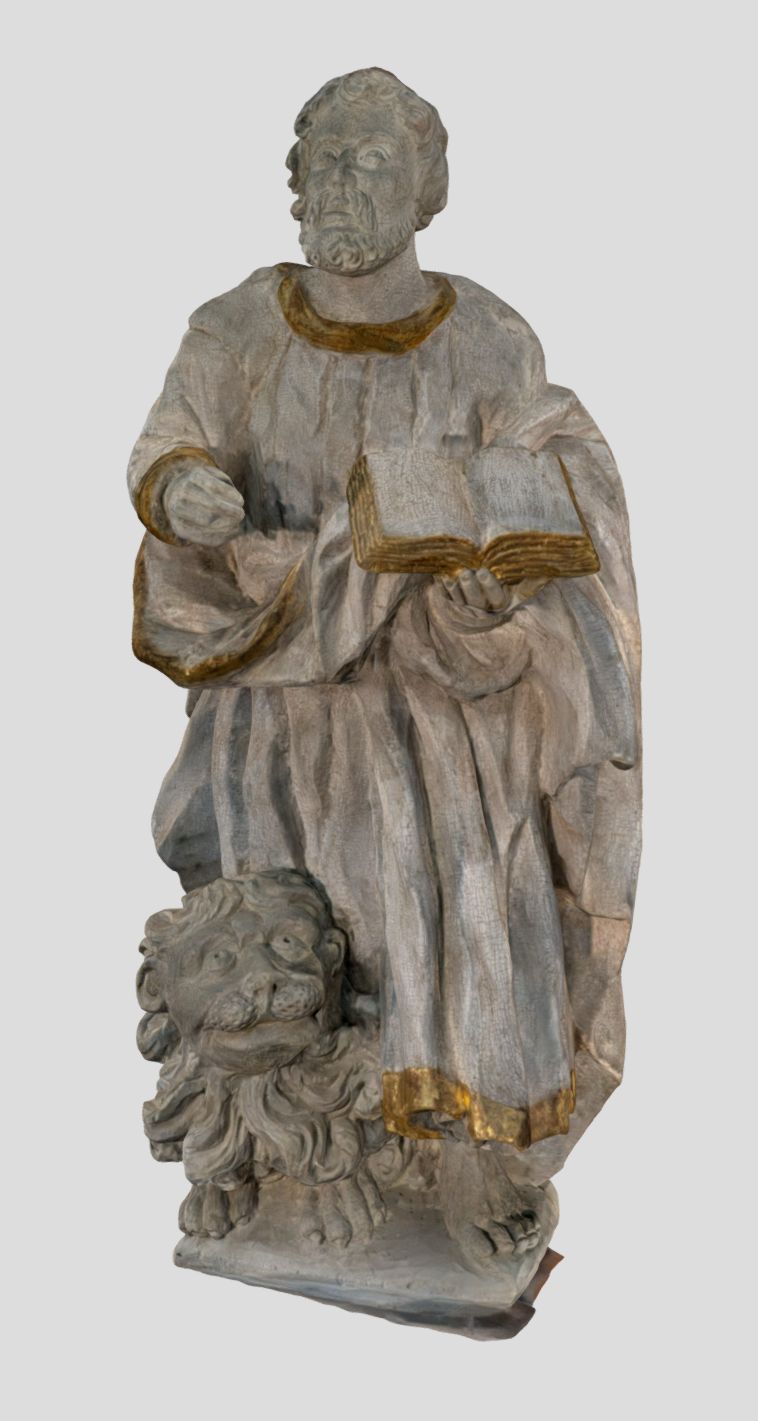 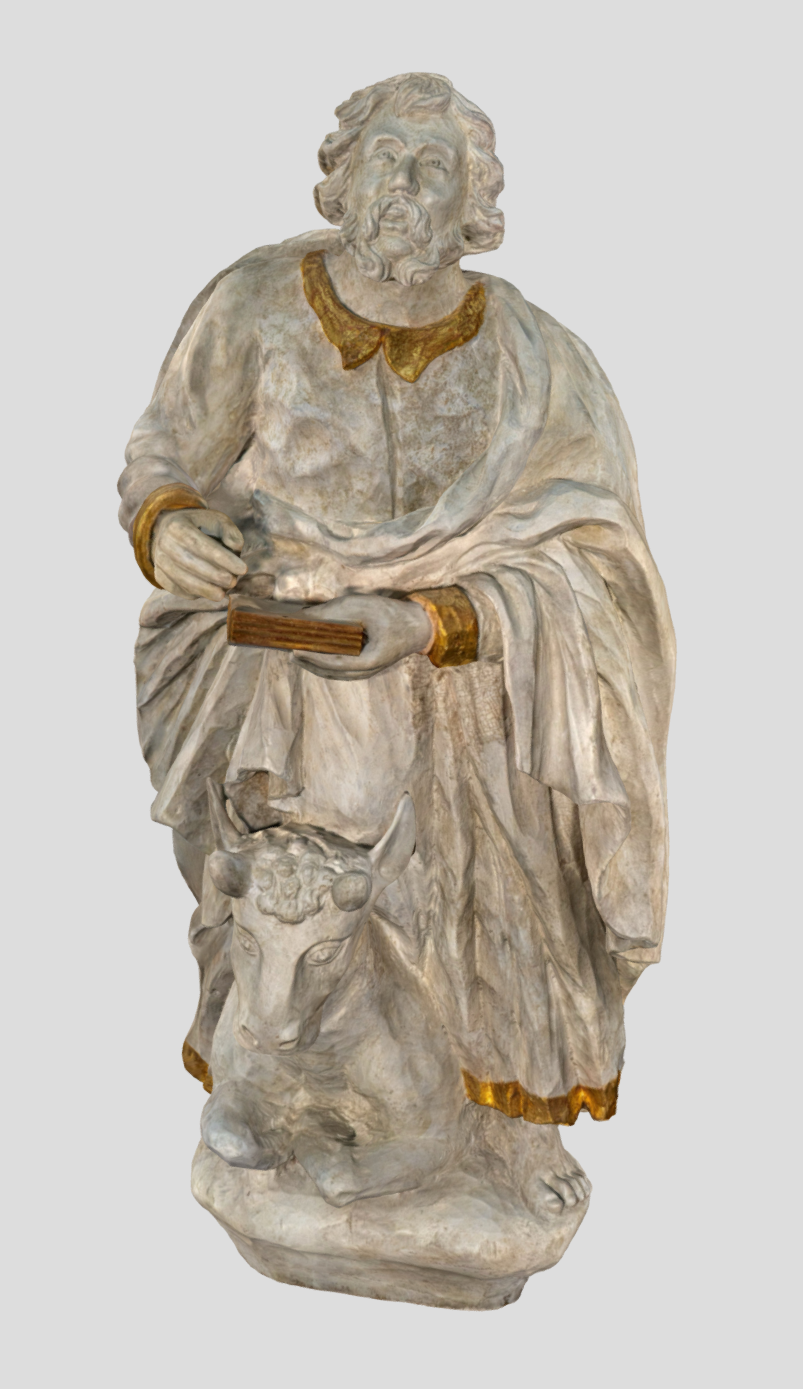 The Evangelists Mark (with the lion) and Luke (with the ox) // Evaņģēlisti Marks (ar lauvu) un Lūkas (ar vērsi) |
|
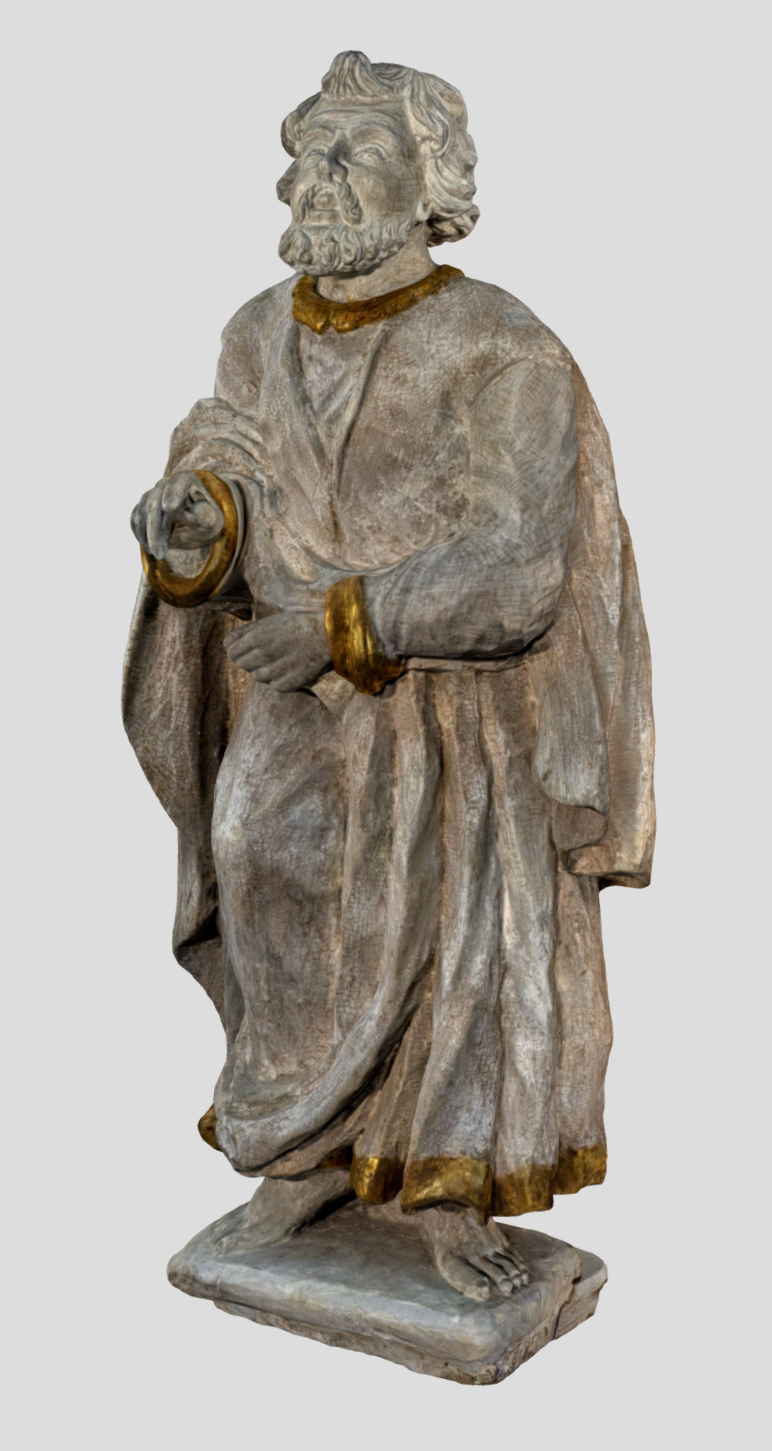
| The symbol of the third Evangelist has not survived. | Trešajam evaņģēlistam simbols nav saglabājies. |
 |
|
| Most likely, it is a sculpture of the Evangelist Matthew. If it had been a sculpture of the Evangelist John, then, similarly to the depiction of the sculptures of Luke and Mark, an eagle would have been depicted at the Evangelist’s feet, or at least some indication of its presence would have survived. Therefore, it may be assumed that the missing sculpture is the Evangelist John. This raises the question of what this sculpture of Moses was that, according to the testimony, was burned at the stake. After that, the sculptures were transferred to St Anne’s Church in Jelgava, where it was hoped to use them for the altar. The plan was not realized, and they were then transferred to the RPM[6]. Given that the sculptures are no longer located in their original interior, a digital reconstruction of the church interior was developed, combining a photograph of the overall view of the church with the possibility of examining a 3D close-up of each sculpture. |
Visticamāk, tā ir evaņģēlista Mateja skulptūra. Gadījumā, ja tā būtu bijusi evaņģēlista Jāņa skulptūra, tad līdzīgi kā Lūkasa un Marka skulptūru attēlojumā, evaņģēlistam pie kājām būtu attēlots ērglis, vai vismaz būtu saglabājušās norādes uz tā esamību. Tādēļ iespējams pieņemt, ka trūkstošā skulptūra ir evaņģēlists Jānis. Tāpēc rodas jautājums, kas ir šī Mozus skulptūra, kas pēc liecībā minētā tikusi sadedzināta uz sārta. Pēc tam skulptūras tikušas pārvestas uz Jelgavas Sv. Annas baznīcu, kur tās cerēja izmantot altāra vajadzībām. Plāns neīstenojās, un tās tika pārvestas uz RPM[6]. Ņemot vērā, ka skulptūras vairs neatrodas sākotnējā interjerā, izstrādāta baznīcas interjera digitālā rekonstrukcija, kas apvieno baznīcas kopskata fotogrāfiju ar iespēju aplūkot katras skulptūras 3D tuvplānu |
Avoti:
[1] RPM Salgales baznīcas arhīva lieta. Izraksts no Embūtes – Salgales baznīcas inventarizācijas 1723. gads. 6. lpp.
[2] Campe, P. Lexikon liv- und kurländischer Baumeister, Bauhandwerker und Baugestalter von 1400–1850. Stockholm, 1951, S.160. lpp
[3] Busch, E. H. Ergänzungen der Materialien zur Geschichte und Statistik der Kirchen und des Schulwesens us. Bd. I. Heassel: St. Petersburg, 1867. S. 461
[4] RPM Salgales baznīcas arhīva lieta. Apraksts par Salgales baznīcas skulptūru ceļojumu. Nr. 1343:1; 1343:2.
[5] Grosmane, E. Kurzemes baroka tēlniecība: 1660 – 1740. Rīga: Jumava, 2002, 107.lpp
[6] RPM Salgales baznīcas arhīva lieta. Apraksts par Salgales baznīcas skulptūru ceļojumu. Nr. 1343:1; 1343:2
